Home & Lifestyle
KitchenAid Stand Mixer - Worth the Investment?
After 5 years with my KitchenAid Classic Plus, here's why this iconic mixer remains a kitchen essential.
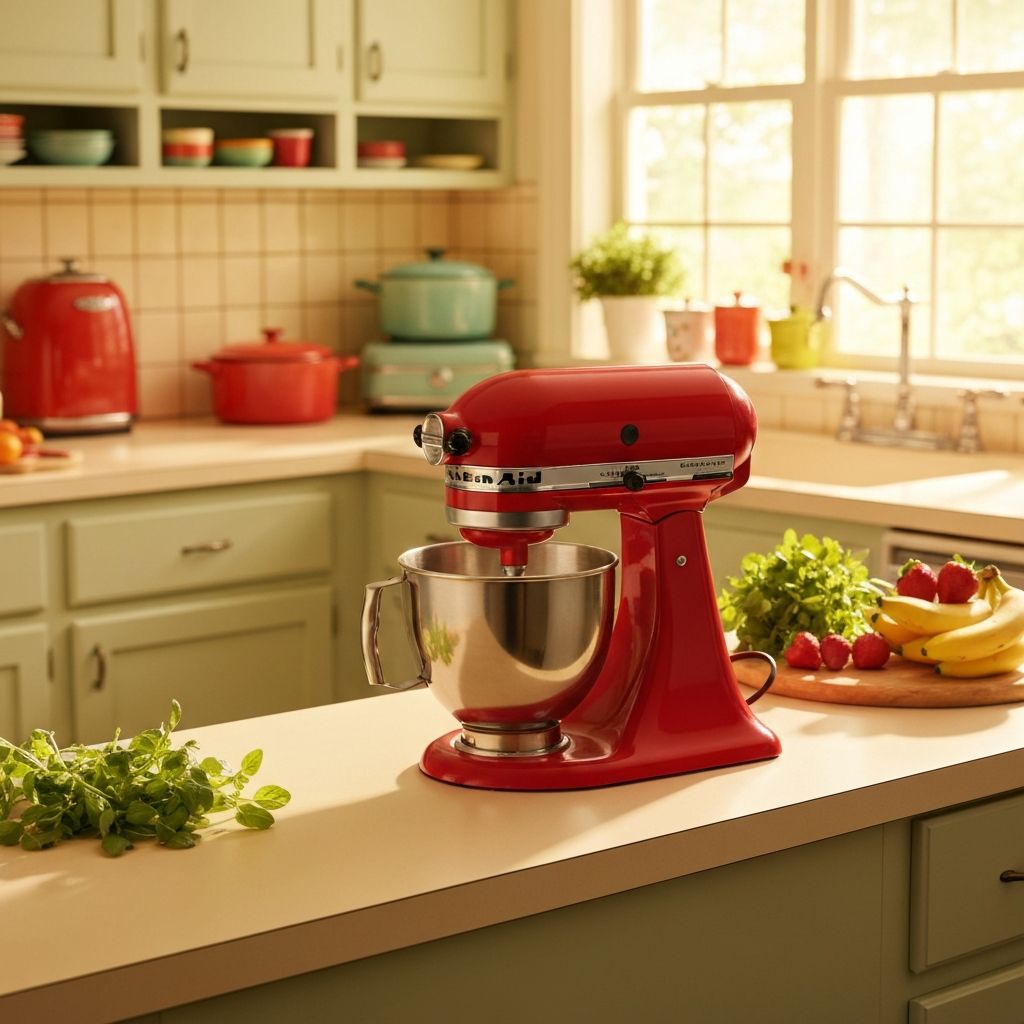
The KitchenAid Stand Mixer is one of those appliances that divides the cooking world. Some swear by it as an essential tool, while others question whether a $400+ mixer is worth it when a $50 hand mixer could do similar tasks. After using my KitchenAid Classic Plus for 5 years, I can finally give you a definitive answer.
What I Tested
I've put my KitchenAid through every possible kitchen challenge: bread dough (both standard and high-hydration), cookie dough, whipped cream, meringues, pasta dough, and even shredded chicken. I've also tested it against my old hand mixer and a friend's cheaper Hamilton Beach stand mixer.
The KitchenAid Advantage
Power That Makes a Difference
The Classic Plus has a 275-watt motor, which sounds modest but delivers serious torque. It handles thick bread dough without overheating or straining. My old hand mixer would start smoking after 2 minutes of bread dough—the KitchenAid doesn't even slow down.
Hands-Free Convenience
This is the real game-changer. Being able to add ingredients while mixing, or multitask during long mixing sessions, transforms how you cook. Making brioche dough used to require 15 minutes of constant arm work—now I just walk away.
Attachment Ecosystem
The power hub opens up pasta makers, meat grinders, vegetable spiralizers, and more. I use the pasta roller attachment weekly, and it's replaced two separate appliances. The investment starts making more sense when you factor in these add-ons.
Product Specifications
- Model: KitchenAid Classic Plus (KSM75)
- Motor: 275 watts
- Bowl Capacity: 4.5 quarts
- Speeds: 10 speeds
- Weight: 20 pounds
- Price: $379-$429
- Warranty: 1 year (extendable)
The Honest Downsides
The Price Tag
Let's address the elephant: $400 is a lot for a mixer. If you only bake occasionally, or mostly make simple cookies, this is probably overkill. A $60 hand mixer will serve you fine.
Size and Storage
At 20 pounds, this mixer isn't moving easily. Mine lives permanently on the counter because lifting it in and out of cabinets is impractical. Make sure you have the counter space before buying.
Learning Curve
Understanding which speed to use for which task takes practice. Too high and you'll have flour everywhere; too low and tough doughs won't properly develop. The manual helps, but expect a few messy learning experiences.
Pros & Cons
Pros
- Powerful motor handles tough doughs
- Hands-free operation
- Versatile attachment system
- All-metal construction
- 10-year+ lifespan typical
- Iconic design
Cons
- Expensive upfront cost
- Heavy and bulky
- Takes up counter space
- Overkill for casual bakers
- Loud at high speeds
- Bowl not dishwasher safe (some models)
Who Should Buy This?
The KitchenAid Stand Mixer makes sense if you:
- Bake bread regularly
- Make large batches of cookies or cakes
- Want to explore pasta making or other attachments
- Have permanent counter space available
- Plan to use it for 10+ years
Skip it if you only bake a few times per year, have limited space, or primarily make simple recipes that don't require heavy mixing.
Final Verdict
After 5 years, my KitchenAid Classic Plus has been worth every penny. It's transformed me from someone who avoided bread-making to someone who makes fresh pasta weekly. The durability, power, and versatility justify the investment— but only if you'll actually use it regularly.
Rating: 9/10 (for serious home bakers) | 6/10 (for casual bakers)